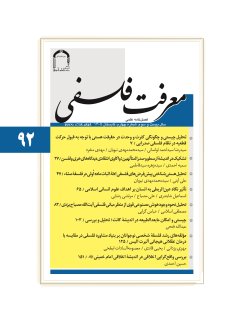
بررسی واقع گرایی اخلاقی در اندیشه اخلاقی امام خمینی(ره)

Article data in English (انگلیسی)
بررسی واقع گرایی اخلاقی در اندیشه اخلاقی امام خمینی(ره)
حسين احمدي / دانشيار گروه فلسفه مؤسسۀ آموزشي و پژوهشي امام خميني(ره) hoseinahmadi@iki.ac.ir
دريافت: 20/07/1404 - پذيرش: 03/12/1404
چکیده
امام خمینی(ره) در نگرش خود به اخلاق، آن را بهعنوان وضعیتی در نفس انسان تبیین میکند که افراد را به اقدام و عمل ترغیب مینماید. علم اخلاق را نیز بهعنوان ابزاری برای تربیت قلب و شناخت فضائل و رذایل معرفی میداند. تحقیق حاضر درصدد است تا مبانی واقعگرایی اخلاقی امام خمینی(ره) را از طریق روش توصیفی ـ تحلیلی بررسی و تبیین کند. واقعگرایی اخلاقی امام خمینی(ره) را میتوان از طریق چندین مؤلفه تبیین کرد: اعتقاد به تجسد اعمال، وجودی بودن مفاهیم اخلاقی، واقعی بودن هدف اخلاق، ذاتی بودن محمولهای اخلاقی و همچنین ذاتی بودن قبح دروغگویی و فطری بودن اخلاق. با این وجود، در نظریه ایشان ابهاماتی نیز وجود دارد. بهعنوان مثال، عدم تفکیک علم اخلاق از تربیت اخلاقی ممکن است منجر به سوءتفاهمهایی در خصوص غیرواقعگرایانه بودن نظریه ایشان شود. همچنین، نیاز به ارائه دلایل عقلی برای تجسد اعمال میتواند ابهاماتی را در نظریه ایشان ایجاد کند. از طرف دیگر، مسائل مربوط به ذاتی بودن قبح دروغگویی و چگونگی تشخیص آن در موارد خاص نیز نیاز به روشنگریهای بیشتری دارد. این ابهامات ضروری است که در راستای تبیین جامعتر واقعگرایی اخلاقی امام خمینی(ره) مورد بررسی و تحلیل قرار گیرند.
کليدواژهها: هستیشناسی اخلاق، واقعگرایی اخلاقی، حسن و قبح ذاتی، امام خمینی(ره).
مقدمه
فلسفۀ اخلاق به مبادی تصوری و تصدیقی علم اخلاق میپردازد (مصباح یزدی، 1373، ص10؛ مصباح، 1388، ص21) و معناشناسی اخلاق، هستیشناسی اخلاق، معرفتشناسی اخلاق و منطق اخلاق از مباحث فلسفۀ اخلاق محسوب میشود (مصباح یزدی، 1373، ص10؛ مصباح، 1388، ص21)؛ ازاینرو یکی از مباحث فلسفۀ اخلاق، هستیشناسی اخلاق است که در آن از وجودی بودن یا نبودن اخلاق به روش عقلی بحث میشود و در صورت پذیرفته شدن واقعگرایی اخلاقی، نحوه وجود واقعیت اخلاق نیز مورد بررسی قرار میگیرد (ویلیامز، 1383، ص24؛ حسینی قلعهبهمن، 1383، ص18-19).
واقعگرایی اخلاقی به دیدگاهی اطلاق میشود که برای اخلاق صرفنظر از دستور و توصیه، احساس و سلیقه و توافق و قرارداد به واقعیتِ عینی قائل باشد یا اگر احساس، سلیقه و توافقی برای اخلاق قائل است آنها را بر واقعیت عینی مبتنی کند، بهطوریکه اخلاق تنها بر نظر و عقیده نفسانی شخصی یا گروهی مبتنی نباشد (ویلیامز، 1383، ص129 و 133؛ مصباح، 1388، ص30-31 و 40)؛ اما غیرواقعگرایی اخلاقی، واقعیتی برای معانی اخلاقی غیر از دستور و توصیه یا احساس و سلیقه یا توافق و قرارداد قائل نیست و شبهواقعگرایی، نظریهای است که براي سازگاري بخشيدن ميان فرافكنيگرايي و ظهوراتي كه بر وجود واقعيتي مستقل دلالت دارند، ابداع شده است (ویلیامز، 1383، ص147).
امام خمینی(ره) بهعنوان اندیشمندی تأثیرگذار به بحث هستیشناسی اخلاق پرداخته است، بهطوریکه ایشان علوم نافع را در سه دسته بیان میکند و مبادی اخلاق را از علوم دسته دوم قرار میدهد (موسوی خمینی، 1380، ص387). افزون بر اینکه مانند دیگر اندیشمندان عدلیه از واقعگرایان اخلاقی محسوب میشود، به نحوه وجود واقعیت اخلاقی نیز پرداخته است که در این تحقیق به نظریۀ هستیشناسی اخلاق وی پرداخته خواهد شد و روش اثبات واقعگرایی از منظر وی تبیین میشود.
درباره دیدگاههای امام خمینی(ره) کتب و مقالههای بسیاری و در حوزههای گوناگون نگاشته شده است، اما در میان کتب و مقالههای نگاشتهشده، کتب و مقالههای فلسفۀ اخلاقی کماند؛ مانند اینکه مؤسسۀ چاپ و نشر عروج، کتب 30 جلدی را به مفاهیم اخلاقی از منظر امام خمینی(ره) به صورت جزئی اختصاص داده است، اما این مجلدات صبغۀ علم اخلاقی دارند که معنویت و صفای زندگی ایشان را توصیف میکنند و به لحاظ عقلی و از منظر فلسفۀ اخلاق به این مفاهیم ننگریستهاند. گاهی معناشناسی برخی واژگان از منظر فلسفۀ سیاسی امام خمینی(ره) بررسی شده است، مانند اینکه درباره گستره مفهوم عدالت در اندیشۀ امام خمینی(ره) بحث شده است، اما مفهوم عدالت از منظر ایشان در فلسفۀ اخلاق معناشناسی نشده است. گاهی مقالههای فلسفۀ اخلاقی نیز از دیدگاه امام راحل مشاهده میشود، مانند مقالۀ «دیدگاه اخلاقی امام خمینی(ره)» (عسگری یزدی و سلیمانی، 1394)، به دیدگاه فلسفۀ اخلاقی امام خمینی(ره) پرداخته است؛ اما هیچ نوشتهای مباحث هستیشناختی اخلاق را از منظر امام خمینی(ره) بررسی نکرده است؛ ازاینرو تحقیق حاضر بر آن است تا به روش عقلی و با شیوه توصیفی ـ تحلیلی واقعگرایی اخلاقی را از منظر ایشان اثبات کند.
برخی عبارات امام خمینی(ره) درباره اخلاق وجود دارد که اگر به تمام جنبههای دیدگاه ایشان توجه نشود، امکان دارد غیرواقعگرایی اخلاقی از آن عبارات فهمیده شود که ذیل عنوان بررسی دیدگاه ایشان بدان عبارات اشاره و توضیح داده شده است؛ ازاینرو ضرورت دارد واقعگرایی امام خمینی(ره) در فلسفۀ اخلاق بهدرستی تبیین شود تا از دیدگاه ایشان سوءبرداشتی صورت نگیرد.
1. هستیشناسی اخلاق از منظر امام خمینی(ره)
دستکم دو بحث مهم در هستیشناسی اخلاق از عبارات امام خمینی(ره) میتوان بهره برد؛ اول آنکه ایشان واقعگرایی اخلاقی را با بیانهای گوناگون پذیرفته است و بر تبیین و اثبات آن تلاش میکند که در این تحقیق به چند عبارت ایشان پرداخته خواهد شد؛ دوم آنکه ایشان به نحوه وجود واقعیت اخلاقی نیز اشاره کرده است که اولاً ایشان مفاهیم موجود در محمول جملههای اخلاقی را از سنخ مفاهیم انتزاعی و فلسفی دانسته است (موسوی خمینی، 1421ق ـ ب، ج2، ص116)؛ ثانیاً واقعیت اخلاق را بر اساس فطرت بشر تبیین میکند بدینگونه که «اين فطرت مبدأ و منشأ خيرات و سعادات است و خود خيّر، بلكه خير است» (موسوی خمینی، 1382، ص82)؛ یعنی فطرت انسانی نه اینکه فقط منشأ خیر باشد و خیر ایجاد کند، بلکه خود انسان خیر است؛ با این توضیح که عشق به کمال مطلقی که در فطرت انسان وجود دارد منشأ عشق به علم مطلق، قدرت مطلق و دیگر اوصاف جمال و جلال الهی است که فطری بشر محسوب میشود (موسوی خمینی، 1382، ص80) و سبب تحقق کمال حاصل از کمالگرایی در انسان است که این فرایند علت و معلول که سبب تحقق کمال واقعی در انسان است، نحوه تحقق واقعیت اخلاق را تبیین کرده است.
1ـ1. واقعگرايي اخلاقي
دیدگاه اخلاقی امام خمینی(ره) مانند دیگر اندیشمندان شیعی در زمره واقعگرایان اخلاقی قرار میگیرد؛ دستکم پنج تبیین برای اثبات دیدگاه واقعگرایانه از ایشان میتوان ارائه کرد که در اینجا به این تبیینها پرداخته میشود.
الف. اثبات واقعگرایی اخلاقی از طریق تجسد اعمال
برخی اندیشمندان با اعتقاد به تجسد اعمال به واقعیت اخلاقی و به تبع آن واقعگرایی اخلاقی ملتزم شدهاند و راه فهم آن را از طریق شرع و تثبیت عقلی میسر دانستهاند (جوادی آملی، 1389، ج6، ص175)؛ امام خمینی(ره) نیز برای هر عملی، باطنی معتقد است و صورت عمل را که تجسد اعمال است، غیر از آثار عمل قلمداد کرده است (موسوی خمینی، 1389، ج7، ص500-501)؛ بهطوریکه اعمال صالح، صورت خوب و اعمال بد، صورت بد دارند؛ ایشان تجسم اعمال را از واضحات میداند که عقل و نقل را متوافق بر قبول آن قلمداد میکند و حقيقت بهشت جسمانى را صور غيبيه ملكوتيه اعمال میداند که تابع میزان حضور قلب و اقبال آن قلمداد کرده است (موسوی خمینی، 1378ب، ص25)؛ ایشان تجسم اعمال را بر پایه کافی نبودن علم و ادراک عقلی در اخلاق استوار میکند، بدین صورت که باور نفسانی و قلبی را در اخلاق لازم میداند که این باور سبب میشود که عمل اخلاقی هم بهتبع آن تحقق یابد، مانند کسی که از درد دندان به خود میپیچد، عمل آه کشیدن از درد دندان از نتایج معرفت حضوری و باور نفسانی درد است. ازاينرو امام خمینی(ره) علم را در اخلاق کافی نمیداند، اما باور را برای عمل کردن کافی میشمارد (موسوی خمینی، 1392، ص106).
ایشان در تبیین تجسم اعمال معتقد است که ندیدن این جسم در این دنیا به دلیل اشتغال به طبیعت است، اما جسم مثالی به فاعلش علاقه دارد؛ زیرا به وسیلۀ او متولد شده است و فرزند فاعلش محسوب میشود که از زمان انجام عمل، ایجاد میشود، نه اینکه جهنم در دنیای دیگری ایجاد شود. ایشان برای تأیید این مطلب، بیان قرآن را میآورد که میفرماید: آن جهنم «لَمُحِيطَةٌ بِالْكافِرِينَ» (توبه: 49)، مقصود این آیه از منظر امام خمینی(ره) این است که الآن جهنم محيط است؛ نه اینکه بعداً احاطه دارد، ازاینرو «سيحيط» نمیفرماید، بلکه وقتى كه از اين عالم رفت، صور اعمال تهيه شده، گردش را مىگيرند و يك خانواده تشكيل مىدهند (موسوی خمینی، 1381، ج1، ص233ـ234). بنابراین، ایشان افزون بر توافق عقلی بر تجسد اعمال، مستندات قرآنی و روایی بسیاری را مؤید برای تجسم اعمال بیان میکند (موسوی خمینی، 1380، ص439؛ 1378الف، ص50).
ایشان ذیل حدیث 1، 4، 7، 19، 27 از شرح چهل حدیث خود به تجسم اعمال میپردازد؛ بهعنوان مثال ذیل حدیث 27، کلام شیخ بهایی را در تجسد اعمال برحق دانسته و کلام مخالفان را بیارزش قلمداد کرده است. امام خمینی(ره) با اعتقاد به تجسد اعمال، افراد انسانی را دارای هستیهای مختلف میداند، بهطوریکه برخی انسانها از حیوانات پستتر و برخی از ملائک بالاترند (موسوی خمینی، 1378الف، ص310).
بیان ذیل نیز ممکن است غیرواقعگرایی اخلاقی امام خمینی(ره) را به ذهن متبادر سازد که امام راحل معتقدند برای این مفاهیم از حیث مفهوم و ماهیت بودن، خارج از ذهن واقعیتی قائل نیست (موسوی خمینی، 1382، ص673)؛ اما این عبارت نیز تصریح دارد که از حیث مفهوم و ماهیت بودن خارجی ندارند؛ بهعبارتیدیگر، مفاهیم را از دو جنبه میتوان نگریست یک بار از آن جهت که حاکی هستند و محل بحث ما اینجاست که بحث میشود آن چیزی که این مفهوم از آن حکایت میکند، واقعیت دارد یا فراتر از سلیقه یا دستور یا قرارداد چیز دیگری نیست که اگر از واقعیت حکایت کند، واقعگرایی ثابت میشود، اما اگر به جنبۀ حکایتگری مفهوم توجه نشود و فقط از آن جهت که وجود ذهنی دارد بدان نگریسته شود، مانند آینه که موقع خرید آینه به تصویری که ارائه میدهد توجه نشود، بلکه به خود آینه توجه شود، در این صورت مفهوم از آن جهت که مفهوم است، خارج از ذهن واقعیتی ندارد، اعم از اینکه حکایت از واقع بیرونی باشد یا نباشد و امام خمینی(ره) در آدرس فوق این حیثیت را بیان کرده است.
2ـ1. اثبات واقعگرایی اخلاقی از طریق وجودی بودن مفاهیم اخلاقی
زمانی که از مفاهیم اخلاقی در هستیشناسی اخلاق بحث میشود، حیثیت حاکی بودن آن مقصود است که آیا حکایت از واقع دارند یا اینکه ذهنی به حساب میآیند؟ امام خمینی(ره) مفاهیم اخلاقی را از حیث اینکه حکایت از هستی دارند و در متن اعيان و حاقّ نفس الامر واقعیت دارند، واقعی قلمداد کرده است. ایشان معتقد است: مفاهیم اخلاقیای که در محمول گزاره اخلاقی نیز کاربرد دارند حاکی از واقعیتاند؛ زیرا این مفاهیم از منظر امام خمینی(ره)، انتزاعی و فلسفیاند (موسوی خمینی، 1421ق ـ ب، ج2، ص116-117) و از مقایسۀ امور واقعی انتزاع میشوند. بنابراین، مانند دیگر مفاهیم فلسفی منشأ واقعی دارند؛ پس امام خمینی(ره) مفاهیم اخلاقی را ماهوی نمیداند؛ پس مانند دیگر مفاهیم فلسفی معنا میشوند، نه آنکه مانند سیاهی و سفیدی از کیفیات خارجیه و اعراض یعنی ماهوی باشند؛ پس این مفاهیم با توجه به انتزاعی بودنشان برای افعال اختیاری ثابت نیستند، بلکه با اختلاف جهت میتوانند برای یک فعل اختیاری، هر دو حکم ـ یعنی حسن و قبح ـ اطلاق شود؛ مانند اینکه عقل میتواند حسن و قبح را بر موضوع «تصرف در مال غیر» از دو جهت اطلاق کند؛ بهطوریکه اگر به این جهت توجه شود که به هدف دشمنی در مال غیر تصرف شود، انسان مفهوم «بد» را انتزاع میکند و بر این موضوع حمل میکند؛ اما اگر برای وصول به عدالت و از روی قضاوت عادلانه تصرف صورت گیرد، مفهوم «خوب» را انتزاع و بر آن حمل میکند. یکی از بیانهای امام خمینی(ره) درباره مفهوم حسن و قبح چنین است: «أنّ الحسن و القبح ليسا من الأعراض و الكيفيّات الخارجية الحالّة في الموضوع كالسواد و البياض حتّى لا يكفي اختلاف الجهة في رفع التضادّ بينهما، فقبح الظلم لا يكون له صورة خارجية حالّة في الجسم، بل هو أمر عقلي منتزع من التصرّف عدواناً في مال الغير، أو من قتل نفس محترمة عدواناً مثلًا، و كذا حسن العدل ليس من الأعراض الخارجية، بل من الانتزاعيات، فيمكن أن يكون شيء خارجيّ ذا عناوين حسنة و قبيحة. فالفعل الخاصّ الخارجي ليس قبحه لأجل كونه من مقولة خاصّة، أو كونه صادراً من فاعل كذا، أو في وقت كذا، أو حالّا في محلّ كذا، مع أنّ كلّها عناوين متحدة معه، بل إنّما هو لأجل كونه ظلماً و عدواناً، فإذا لم يَسْرِ قبحه إلى سائر الجهات، و بقيت هي على ما هي عليه بلا اقتضاء للحُسْن و القبح، يعلم أنّ القبح لا يسري من عنوانه و حيثيته إلى حيثية أُخرى و عنوان آخر، و كذا الحسن. فلا مانع من أن يكون عنوانا «الحسن» و «القبح» صادقين على موجود خارجيّ، فيكون حسناً بوجه، و قبيحاً بوجه، و الجهات في العقليات تقييدية، فتكون الحيثيات بما هي موضوعةً للحسن و القبح (موسوی خمینی، 1421ق ـ ب، ص116-117).
امام خمینی(ره) افزون بر معناشناسی بر اساس مفاهیم فلسفی به جنبۀ وجودی معنای حسن و قبح اخلاقی نیز اشاره کرده است که این دو مفهوم، مانند دیگر مفاهیم خیر و شر از کمال و نقص حکایت میکنند و به ملاحظه نحوه وجود بیان میشوند که بیان امام خمینی(ره) چنین است: «اطلاق خير و شرّ در هر جا مىشود به كمال و نقص در ذات يا در صفات، و در وجود و كمالات وجود مىشود» (موسوی خمینی، 1380، ص640-641)؛ ازاینرو اگر بخواهیم حسن و قبح اخلاقی را با توجه به کمال و نقص از منظر امام خمینی(ره) معنا کنیم بدین صورت خواهد بود که خلقت انسان بهگونهای آفریده شده است که اگر هدف، کمال خلقت انسانی محسوب شود، مفهوم خوب انتزاع میشود و اگر هدف نقصان آن خلقت محسوب شود، بد به حساب میآید؛ ازاینرو امام خمینی(ره) خیر را سازگار با فطرت مخموره و بد را با فطرت محجوبه سازگار میداند که فطرت بیحجاب، عشق به کمال مطلق دارد و از آن، عشق به علم مطلق، قدرت مطلق، حیات مطلق و... منشعب میشود که در فطرت تمام بشر وجود دارد، اما اگر انسان به واسطۀ حجاب طبیعت و کثرت، به دنیا وابسته شد، در تشخیص کمال مطلق اشتباه میکند و دچار شر یا همان نقصان میشود، و بهعبارتیدیگر، چیزی را هدف قرار میدهد که نقصان خلقت به حساب میآید؛ ازاینرو وصف «بد» بر آن اطلاق میشود (موسوی خمینی، 1382، ص80-82).
امام خمینی(ره) برای خیر و شر اطلاقاتی دارد، مانند اینکه تعابیر خیر بالذات و بالعرض و همچنین شر بالذات و بالعرض به کار میبرد که خیر بالذات از منظر ایشان به حقیقت وجود اشاره دارد و نحوه وجود موجودات یا افعال، خیر بالعرض محسوب میشوند، اما شر بالذات به عدم وجود یا عدم کمال اشاره دارد و اطلاق شر بر موجودات یا افعالی که حظی از وجود دارند بالعرض محسوب میشود (موسوی خمینی، 1380، ص640-641). ازاینرو امام خمینی(ره) که حسن و قبح را بهمعنای کمال و نقص قلمداد میکند، خداوند را فاعل بالذات نقصان محسوب نمیکند، بلکه فاعل بالعرض نقص یا شر قلمداد میکند و فاعل بالذات شر را انسان میداند (موسوی خمینی، 1380، ص641-647) که در مقدمه توضیح داده شد.
امام خمینی(ره) افزون بر بیان فوق، به تقابل با نظریۀ اشاعره به حسن و قبح ذاتی و عقلی معتقد است، بدین معنا که عقل انسان میتواند حسن و قبح برخی افعال اختیاری و صفات نفسانی را تشخیص دهد؛ زیرا حسن و قبح به کمال و نقص اطلاق میشود (موسوی خمینی، 1380، ص640-641). امام خمینی(ره) به پیامدهای سوء اعتقاد به حسن و قبح الهی اشاره میکند که چگونه برخی امکان افضل بودن امام علی(ع) را عقلاً میپذیرند و درعینحال به قطب شدن خلیفههای بعد از پیامبر تن میدهند و آنها در توجیه کلام خود حسن و قبح عقلی را مردود میشمارند و حسن و قبح را بر اساس نظر شارع تبیین میکنند (موسوی خمینی، 1376، ص140-141). با توجه به اینکه اولاً حسن و قبح عقلی فرع بر حسن و قبح ذاتی است، و ثانیاً امام خمینی(ره) از عدلیه است و به حسن و قبح ذاتی معتقد است، بنابراین، امام راحل به واقعی بودن مفاهیم موجود در محمول گزارههای اخلاقی اعتقاد دارد.
همانطور که بیان شد ظاهر برخی عبارات امام خمینی(ره) حاکی از واقعی بودن مفاهیم موجود در محمول گزارههای اخلاقی است؛ اما از ظاهر برخی عبارات دیگر ایشان، این مفاهیم اعتباری مبتنیبر واقعیتاند که میخواهیم این دسته از عبارات را نیز بررسی نماییم. بهعنوان مثال، ایشان کتب اخلاقی را کتبی میداند که شخص را وادار به عمل کند، نه اینکه علم مخاطب را نسبت به عملی افزایش دهد و چنین میافزاید که اگر علم اخلاق، علم افراد را افزایش دهد خود حجاب محسوب میشود (موسوی خمینی، 1382، ص80-82؛ 1381، ج1، ص360-361)، پس با توجه به اینگونه عبارات، وظیفۀ علم اخلاق، وادار کردنِ مخاطب به عمل میباشد؛ ازاینرو محمولهای گزارههای اخلاقی اعتباری محسوب میشوند که با توجه به اعتقاد امام خمینی(ره) بر حسن و قبح ذاتی مطابق نظريۀ عدلیه، این اعتبار مبتنیبر واقعیت به حساب میآید.
بهعبارتدیگر علم اخلاق نزد امام خمینی(ره)، تربیت اخلاقی را نیز دربر دارد که افراد را وادار به عمل میکند (موسوی خمینی، 1381، ج1، ص361)، نه علم اخلاقی که تنها فضایل و رذایل را بشناساند. میتوان این بیانِ «وادار به عمل در اخلاق» را به ترغیب انسانی تفسیر کرد که اخلاق با اشاره به هدف و مباحث مشابه آن، انگیزه عمل ایجاد میکند و مخاطب را به عمل وامیدارد؛ اما عبارت دیگری از امام خمینی(ره) برای اثبات اینکه علم اخلاق از منظر ایشان دربردارنده تربیت اخلاقی نیز میباشد و استفاده از اعتباریات در اخلاق امکان دارد؛ پس به تبع آن حداقل برخی از محمول گزارههای اخلاقی، اعتباری مبتنیبر واقعیتاند، این است که ایشان در کتاب اخلاقی چهل حدیث که کتابی اخلاقی محسوب میشود، به علاج رذایل اخلاقی همچون حسد میپردازد و برای علاج حسد به مجازگویی و غیرواقع تمسک میکند. عبارت ایشان چنین است:
علاج عملى نيز از براى اين رذيله فضيحه [حسد] است. و آنچنان است كه با تكلف اظهار محبت كنى با محسود و ترتيب آثار آن را دهى، و مقصودت از آن علاج مرض باطنى باشد. نفس تو را دعوت مىكند كه او را اذيت كن، توهين كن، دشمن داشته باش، مفاسد او و مساوى او را به تو عرضه مىدارد، تو به خلاف ميل نفس به او ترحم كن و تجليل و توقير نما، زبان را به ذكر خير او وادار كن، نيكوييهاى او را بر خود و بر ديگران عرضه دار، صفات جميله او را خاطرنشان خود كن. گرچه اينها كه مىكنى در اول امر با تكلف است، از روى مجاز و غيرواقع است، ليكن چون مقصود اصلاح نفس و برطرف كردن اين نقص و رذيله است بالاخره به حقيقت نزديك مىشود (موسوی خمینی، 1380، ص113).
شایان ذکر است که امام خمینی(ره) مواردی همچون مورد فوق را دروغ قلمداد نمیکند، بلکه آنها را مجاز میشمارد (موسوی خمینی، 1415ق، ج2، ص85) که اعتبار محسوب میشوند؛ اما اعتبار بهمعنای مجاز غیر از اعتباری بودن مفاهیم موجود در محمولهای اخلاقی است؛ مانند دروغگویی که مطابقت با واقع ندارد، اما واقعی بودن قبح دروغگویی غیر از غیرمطابق بودن دروغگویی با واقعیت است. در مثال یادشده نیز انسان حسود، اظهار محبت میکند، اما در دلش هیچ محبتی ندارد، ازاينرو اظهار محبت کردن او واقعی نیست؛ زیرا با درونش سازگاری ندارد، اما این غیرواقعی مقدمه ایجاد سازگاری برون و درون و واقعی شدن محبت است، در هر صورت، عبارتی از امام که بتواند اعتباری بودن مفاهیم موجود در محمولهای اخلاقی را اثبات کند، یافت نشد؛ مگر آنکه بخواهیم از اینکه علم اخلاق از منظر امام خمینی(ره)، تربیت اخلاقی را دربر دارد، نتیجه بگیریم که امکان استفاده از اعتبار در محمولهای اخلاقی وجود دارد که در این صورت نیز ضرورتش اثبات نمیشود، بلکه امکانش اثبات میشود و تفسیر کلام امام همان اعتبار مبتنیبر واقعیت خواهد بود تا با دیدگاه عدلیه سازگار باشد. بهعبارتدیگر، امام خمینی(ره) میان علم اخلاق و تربیت اخلاقی تفکیک قائل نشده است؛ ازاینرو اگر از جهت تربیت اخلاقی در دیدگاه امام خمینی(ره)، اعتباری وجود دارد، مبتنیبر واقع است که سبب غیرواقعگرایی اخلاقی دیدگاه ایشان نمیشود.
3ـ1. اثبات واقعگرایی از طریق وجودی بودن سعادت و کمال
امام خمینی(ره) وجود هرگونه اعتبار را منافی خیر و کمال و سعادت قلمداد میکند و ماهیات امکانی که امور اعتباریاند و حقیقت ندارند، اثری و اقتضای ذاتی ندارند. پس حیثیات وجودی مثل کمال، جمال، خیر و سعادت را نیز ندارند (موسوی خمینی، 1421ق ـ الف، ص72)؛ اما هدف اخلاق که از آن به سعادت و کمال تعبیر میشود تحقق و فعلیت دارد (موسوی خمینی، 1380، ص528)، پس وجودی و واقعی است. عبارت ایشان درباره وجودی بودنِ سنخ کمال چنین است:
آنچه از سنخ كمال و از جنس جمال و تمام است، راجع به عين وجود و اصل حقيقت هستى است؛ و در دار تحقق جز يك اصل شريف كه سرچشمۀ تمام كمالات و منشأ تمام خيرات است نيست، و آن حقيقت وجود است. و اگر جميع كمالات عين حقيقت وجود نباشد و به وجهى از وجوه در حاقّ اعيان از او جدايى و با او دوئيت داشته باشد، لازم آيد دو اصل در دار تحقق محقق باشد، و اين مستلزم مفاسد بسيار است. پس، هرچه كمال است، به حسب مفهوم و ماهيتْ كمال نيست، بلكه به واسطه تحقق و حصول در متن اعيانْ كمال است؛ و آنچه در متن اعيان و حاقّ نفس الامر محقق است، يك اصل است و آن وجود است؛ پس آنچه كمال است به يك اصل، كه آن حقيقت وجود است (موسوی خمینی، 1382، ص673).
امام خمینی(ره) هدف اخلاق را کمال انسان قلمداد کرده است و اعمال صالح را بهمعنای اعمال سازش با فطرت میداند (موسوی خمینی، 1389، ج7، ص500)؛ ازاینرو فطرت انسان به دلیل سازگاریاش با کمال داشتن، کمالگراست و انسان با اختیار خود برای حصول کمال تلاش میکند؛ ازاینرو عشق به کمال مطلق از منظر امام خمیني(ره) ذاتی بشر قلمداد شده است (موسوی خمینی، 1381، ج1، ص338) و سعادت وی به حساب میآید. امام خمینی(ره) تعبیر مشابهی درباره واقعیت داشتنِ سعادت نیز دارند که آن را عین حقیقت وجود قلمداد کرده است؛ کلام ایشان چنین است: «سعادت و شقاوت امرى است كه اگر حقيقت و تحقق داشته باشد، بايد عين حقيقت وجود باشد» (موسوی خمینی، 1381، ج1، ص449).
3ـ1. اثبات واقعگرایی از طریق عقلانیت قبح دروغگویی
امام خمینی(ره) در مکاسب محرمه سه صورت احتمالی درباره قبح دروغ گفتن را بر اساس بیان مکاسب شیخ انصاری بررسی میکند که دروغگویی یا اقتضای قبیح بودن را دارد یا لااقتضاست یا اینکه قبح ذاتی دروغگویی است. ایشان بعد از تشریح سه صورت فوق نظریۀ خود را بدین صورت بیان میکند که عقل قبح ذاتی کذب را میفهمد؛ درصورتیکه اگر لااقتضا بود، باید با توجه به پیامد دروغگویی به قبحش حکم میکرد و اگر نتایج مفیدی داشت به حسنش حکم کند، اما میبینیم که عقل بدون توجه به پیامدهای دروغگویی نیز قبح آن را کشف میکند؛ پس به نظر امام کذب نسبت به قبح، لااقتضا نیست؛ همچنین قبح کذب اقتضایی نیست؛ زیرا دروغگویی اگر از تمام تعلقاتش جدا در نظر گرفته شود و به ذاتش نظر شود عقل قبحش را میفهمد و قبح از دروغگویی منفک نمیشود (موسوی خمینی، 1415ق، ج2، ص114). ایشان با بیان ذیل، نظریۀ خود را تبیین میکند: «فإنّ العقل يدرك قبحه و حزازته في نفسه، فيرى الكذب الذي لا يترتّب عليه مفسدة و مصلحة، قبيحا له حزازة بلا شبهة» (موسوی خمینی، 1415ق، ج2، ص113).
شایان ذکر است امام خمینی(ره) قبول دارد که این درک عقلانی قبح دروغگویی، اجمالی است؛ ازاینرو عقل، معاقب بودن دروغگو را کشف نمیکند؛ در هر صورت، امام معتقد است همین حکم عقلی سبب تحریم شرعی دروغگویی هم میشود؛ زیرا ملاک تبعیت حکم شرعی از کشف عقلی در اینجا وجود دارد و آن ملاک این است که عقل به دلیل ارائه خلاف واقع در دروغگویی، قبحش را کشف میکند (موسوی خمینی، 1415ق، ج2، ص63).
از بیان فوق نتیجه گرفته میشود که قبح دروغگویی از منظر امام خمینی(ره) در ذات دروغگویی وجود دارد، به دلیل اینکه آنچه با واقعیت مطابقت دارد حسن است و آنچه مخالف واقعیت باشد، قبیح است و چون دروغگویی بیان خلاف واقعیت محسوب میشود، پس قبیح است؛ این شرح مختصری از عبارات ایشان در مکاسب محرمه است (موسوی خمینی، 1415ق، ج2، ص63). همانطور که در فطری بودن آن نیز ایشان معتقد است فطرت انسان با واقعیتها تناسب و سنخیت دارد و به همین جهت است که امام خمینی(ره) معتقد است انسان به حسب فطرت، مايل به خيرات و كمالات و داعى به عدل و احسان است (موسوی خمینی، 1382، ص21)؛ ازآنجاکه دروغگویی بیانی از مخالفت با واقعیت است با فطرت انسان تناسب ندارد؛ ازاینرو بد بودنِ دروغگویی فطری است و امام خمینی(ره) در بیانی نیز حرمت اجمالی دروغگویی را با توجه به ذاتی بودن قبح آن ضروری و بدیهی میداند (موسوی خمینی، 1415ق، ج2، ص60). بیان امام خمینی(ره) در تأیید کلام شیخ انصاری چنین است: «و أمّا حكمه، فحرمته في الجملة ضروريّة لا تحتاج إلى إقامة الدليل عليها و إن كان في دعوى حكم العقل بها نظر. فالأولى البحث عن خصوصيّات أخر...» (موسوی خمینی، 1415ق، ج2، ص60).
قبح دروغگویی به نحو اجمال بدیهی است و این بداهت به ادله عقلی نیاز ندارد و در ادعاهایی که بهعنوان ادلۀ عقلی مطرح شده است، پرسشهایی وجود دارد؛ اما در هر صورت قبح تفصیلی مصادیق دروغگویی جای بحث دارد؛ مانند قبح دروغگویی در مواردی مانند دروغگویی حضرت ابراهیم و یوسف یا دروغگویی برای آشتی دادن دو مسلمان که قهرند یا دروغگویی به دشمن یا... که امام خمینی(ره) به تفصیل درباره هر یک از این موارد بحث میکنند و این موارد را از مصادیق دروغگویی نمیدانند، بلکه ایشان بسیاری از موارد یادشده را از مصادیق توریه قلمداد میکند یا از مصداق انشاء میداند، نه خبر غیرواقعی یا... (موسوی خمینی، 1415ق، ج2، ص61-78). در هر صورت به اعتقاد امام خمینی(ره) هیچ اعتباری در قبح دروغگویی نیست، بلکه قبح دروغگویی واقعیت محض است (موسوی خمینی، 1415ق، ج2، ص113).
5ـ1. اثبات واقعگرایی اخلاقی از طریق فطری دانستن اخلاق
امام خمینی(ره) از جهتی راه شناخت احکام اخلاقی را فطرت اخلاقی میداند و از جهتی دیگر، ارزش داوری را وابسته به نیتی میداند که هرچه به فطرت بشری نزدیک شود، ارزش بالاتری دارد. کلام ایشان در فطری بودن اخلاق چنین است: «... پس ميزان عرفان و حرمان، انگيزه است. هر قدر انگيزهها به نور فطرت نزديكتر باشند و از حُجب حتّى حُجب نور وارستهتر، به مبدأ نور وابستهترند تا آنجا كه سخن از وابستگى نيز كفر است» (موسوی خمینی، 1389، ج18، ص521).
ایشان در تبیین شناخت فطری معتقد است که انسان به واسطۀ گرایش به کمال حقیقی که بر آن سرشته و خلق شده است میتواند کمالهای حقیقی را بشناسد و بفهمد که اعمال صالح، اعمالی است که با نفس انسان سازگاری داشته باشد؛ زیرا نفس انسان سعادتمند خلق شده است و عمل صالح را صالح نامیدهاند؛ زیرا صالح بهمعنای سازش است و اگر عملی با نفس سعادتمند انسان سازش داشته باشد، صالح شناخته میشود. بیان ایشان در تبیین جایگاه فطرت چنین است:
اعمال صالحه آنهايى است كه سازش داشته باشد با نفس انسان. نفس انسان سعادتمند خلق شده است؛ يعنى استعداد سعادت در آن هست و فطرت انسان فطرت سعيد است. عمل صالح آن است كه با اين فطرت سازش داشته باشد. «صالح»، يعنى سازش. سازش داشته باشد با اين فطرت. عمل ناصالح آن است كه با فطرت انسان سازش نداشته باشد. اين اعمالى كه براى برادرهايتان انجام داديد، اين سازش دارد با آن فطرت؛ زیرا مضمون ترجمۀ آیه قرآن این است که فطرت انسان فطرت دوستى با برادرانش است (اعراف: 50).
با تبیین فوق واقعیت اخلاق از سنخ سازگاری رفتار با خلقت انسانی است که بر آن سرشته شده است؛ البته منظور از خلقت، صرفاً خلقت مادی نیست، بلکه اعم از مادی و معنوی است که اصالت در اخلاق جنبۀ معنوی و روحانی انسان است. شایان ذکر است که این جنبه معنوی گاهی به دلیل حُجُبی ممکن است غبارآلود شود و تشخیص فطرت واقعی با فطرت محجوب سخت شود (موسوی خمینی، 1380، ص272؛ 1382، ص82).
2. بررسی هستیشناسی اخلاق از منظر امام خمینی(ره)
هستیشناسی اخلاق از منظر امام خمینی(ره) مملو از نکات مثبت فلسفۀ اخلاقی است، مانند اینکه اولاً با دیدگاه عدلیه سازگاری دارد و ناسازگاری در این نظریه نیست؛ ثانیاً به ذاتی بودن حسن و قبح اخلاقی توجه داشته است و میتوان ذاتی در حسن و قبح ذاتی را از منظر ایشان بهمعنای ذاتی باب برهان دانست؛ ثالثاً این دیدگاه جنبۀ الهیاتی بودن واقعیت اخلاق را در نحوه وجود واقعیتهای اخلاقی بیان کرده است؛ رابعاً ایشان واقعی بودن هدف اخلاق را متمایز از واقعی بودن محمول جملههای اخلاقی و مفاهیم اخلاقی تبیین میکند؛ زیرا محمولهای جملههای اخلاقی را از جهتی انتزاعی و واقعی میداند و از جهتی دیگر در موضوعات اقتضایی با توجه به هدف اخلاق که کمال بشری و واقعی است معنا میکند و خامساً هم جهت تجسد اعمال و هم آثار اخلاقی را در هستیشناسی اخلاق متوجه است، بلکه به دو جنبۀ تجسد و آثار اعمال اشاره میکند.
با وجود نکات مثبت این دیدگاه، به نظر میرسد برخی نکات مبهم در این دیدگاه وجود دارد که اندیشمندان فلسفۀ اخلاقی میتوانند در تکمیل این نظریه و رفع ابهام آن نکات تلاش نمایند که این نکات را در اینجا بیان میشود.
3. عدم تفکیک علم اخلاق از تربیت اخلاقی موجب وهم اعتباری بودن اخلاق
امام خمینی(ره) علم اخلاق را علم به منجیات و مهلکات خُلقی و تربیت قلب و ریاضت آن، همچنین علم به چگونگی تحصیل فضایل و رهایی از رذایل میداند (موسوی خمینی، 1380، ص387). و وظیفۀ علم اخلاق را وادار کردن به عمل قلمداد میکند (موسوی خمینی، 1381، ج1، ص361) که علم اخلاق از منظر ایشان افزون بر معرفی فضایل و رذایل، وظیفه تربیت اخلاقی نیز دارد، بلکه نقش تربیت اخلاق در علم اخلاق از منظر ایشان پررنگتر است و اساس علم اخلاق را تشکیل میدهد؛ زیرا ایشان کتبی را که وادار به اخلاق نمیکنند در زمره کتب اخلاقی نمیشمارد (موسوی خمینی، 1382، ص11-13؛ 1381، ج1، ص361). در هر صورت به نظر میرسد با عدم تفکیک میان این دو علم، مخاطب وظیفۀ علم اخلاق را وادار کردنِ به عمل میپندارد و وادار کردنِ به عمل با دستور و اعتبار سازگاری دارد و اعتبار، غیرواقعگرایی اخلاقی را به ذهن مخاطب متبادر میسازد.
شایان ذکر است که دستکم در سه صورت، وادار کردنِ به عمل وجود خواهد داشت و منافاتی با واقعگرایی نخواهد بود. صورت اول اینکه برخی اندیشمندانی که به واقعگرایی اخلاقی معتقدند و جملههای اخلاقی را خبری میدانند، آنها امکان دستوری بودن جملات اخلاقی را رد نمیکنند، بلکه دستوری بودن این جملات را از باب تفنن ادبی یا مباحث تربیتی، مانند تأثیرگذاری بیشتر میپذیرند (مصباح يزدي، 1388، ص58؛ مصباح یزدی، 1377، ج1، ص259)؛ پس اگر جملۀ مربوط به تربیت اخلاقی باشد، دستوری بودن جملههای اخلاقی نفی نمیشود، بلکه امکان وقوعی دارد و با واقعگرایی اخلاقی سازگاری دارد. با توجه به اینکه امام خمینی(ره) علم اخلاق را دربردارنده تربیت اخلاقی میداند، بیان امام خمینی(ره) با واقعگرایی منافاتی نخواهد داشت.
صورت دوم این است که برخی اندیشمندان که به انشایی بودن تمام جملههای اخلاقی معتقد شدهاند، این انشاء را مبتنیبر واقع دانستهاند که در این صورت نیز وجود دستوری و انشایی بودن جملههای اخلاقی منافاتی با واقعگرایی نخواهد داشت. توضیح مطلب اینکه برخی اندیشمندان شیعی نیز که از عدلیه محسوب میشوند، به انشایی بودن جملههای اخلاقی معتقدند (مطهری، 1380، ج13، ص706؛ 1384، ج22، ص31)؛ اما جملۀ اخلاقی را انشایی محض نمیدانند، بلکه این انشاء را مبتنيبر واقع دانستهاند و این ابتناء باعث شده است که آنها همچنان در زمره واقعگرایان باقی بمانند و به پیامدهای واقعگرایی، مانند وحدتگرایی و مطلقگرایی پایبند باشند و کثرتگرایی و نسبیگرایی را رد کنند (مطهری، 1380، ج13، ص730).
صورت سوم اینکه امکان دارد وادار کردنِ به عمل از طریق تقویت انگیزه مخاطب برای وصول به هدف ایجاد شود، مانند اینکه کتب اخلاقی از طریق تقویت ضرورت وصول به هدف، او را به عمل وادار سازند و این انگیزه لزوماً از طریق دستوری بودن جمله حاصل نمیشود، بلکه امکان دارد با ضروری جلوه دادن هدف اخلاق، مخاطب انگیزه عمل کردن به احکام اخلاقی پیدا کند. در این صورت نیز غیرواقعگرایی به امام خمینی(ره) نسبت داده نخواهد شد، افزون بر اینکه ایشان به مطلقگرایی اخلاقی پایبند است (موسوی خمینی، 1323، ص310-311) و مطلقگرایی اخلاقی با غیرواقعگرایی اخلاقی هیچ تناسبی ندارد.
در هر صورت با وجود سه بیان فوق، این ایهام نفی نمیشود که امام خمینی(ره) اولاً با اعتقاد به «وادار کردنِ به عمل» برای جملههای اخلاقی و ثانیاً با گنجاندن تعریف تربیت اخلاقی در تعریف علم اخلاق، دستوری بودن جملۀ اخلاقی را نفی نمیکند و دستوری بودن جملههای اخلاقی ایهام امرگرایی از نوع غیرواقعگرایی را به ذهن مخاطب متبادر میسازد؛ ازاینرو اولاً تفکیک علم اخلاق از تربیت اخلاقی فوایدی دارد که توضیح آن در این مجال نمیگنجد، اما حداقل این فایده را میتوان بیان کرد که اهداف اخلاق و تربیت اخلاقی را که متمایز است میتوان در هر علمی به صورت مستقل بیان کرد و هدف اخلاق را وصول به سعادت و هدف تربیت اخلاقی را در مسیر سعادت قرار گرفتن دانست. افزون بر اینکه تفکیک علم اخلاق از تربیت اخلاقی با تصریح بر واقعگرایی اخلاقی این فایده را خواهد داشت که مخاطب بر واقعیت داشتن اخلاق علم پیدا میکند، چنانکه برخی اندیشمندان برای فهم بهتر مخاطب از واقعیت داشتن اخلاق، اخلاق را از آداب تفکیک کردهاند و آداب را از قرادادهای اجتماعی قلمداد نمودهاند (طبرسی، 1380، ص22؛ طباطبائی، 1417ق، ج6، ص255-257). ثانیاً اگر امام جملههای اخلاقی را در غیرتربیت اخلاقی، انشایی و دستوری قلمداد میکند، خوب است بیان نماید و پشتوانه واقعی داشتن را نیز تصریح نماید تا ایهام غیرواقعگرایی برای مخاطب ایجاد نکند؛ اگرچه با قول به مطلقگرایی اخلاقی (موسوی خمینی، 1323، ص310-311)، ایهام غیرواقعگرایی به امام بیجاست.
نباید از این نکته غافل بود که تا زمان حاضر اکثر قریب به اتفاق اندیشمندان اسلامی تفکیک علم اخلاق از تربیت اخلاقی را بیان نکردهاند، بلکه تعریف علم اخلاق منقول از آنها دربردارنده تربیت اخلاقی نیز میباشد.
4. ارائه نشدن دلیل عقلی برای تجسد اعمال
تاکنون اندیشمندان ازجمله امام خمینی(ره) دلیل عقلی متقنی برای تجسد اعمال ارائه نکردهاند، بلکه به دلیل نقلی بسنده نمودهاند (موسوی خمینی، 1380، ص437-438) و البته دلایل مخالفان را بهدرستی رد کردهاند (موسوی خمینی، 1380، ص۳۶۲ و ۴۳۸-439) و دیدگاه خود را بر اساس حرکت جوهری ملاصدرا به تفصیل شرح دادهاند (موسوی خمینی، 1381، ج3، ص180-182). برخی اندیشمندان به تثبیت عقلی همان ادله عقلی اکتفا کردهاند (جوادی آملی، 1389، ج6، ص175). به نظر میرسد اعتقاد به تجسد اعمال مستند به ادله شرعی است و خوب است به دنبال ادله عقلی آن بود تا اثبات واقعگرایی بدان طریق مستند عقلی محسوب شود تا قابل ارائه در مجامع فلسفۀ اخلاقی باشد؛ زیرا روش فلسفۀ اخلاق عقلی است و مستندات غیرعقلی در این علم مقبول نمیافتد، مگر آنکه آن ادلۀ نقلی برای جامعۀ متدینان ارائه شود یا اینکه آن ادله نقلی مستند به ادله محکم عقلی شود.
5. ابهاماتی در ذاتی بودن قبح دروغگویی
امام خمینی(ره) معتقد است قبح دروغگویی، ذاتی است و عقل آن را میفهمد، بهطوریکه میتوان حرمت دروغ را به صورت اجمالی عقلی و بدیهی دانست که نیاز به استدلال نیز ندارد. عبارت امام خمینی(ره) در نقل و تأیید کلام شیخ انصاری چنین است: «فحرمته في الجملة ضروريّة لا تحتاج إلى إقامة الدليل عليها» (موسوی خمینی، 1415ق، ج2، ص60). اما با توجه به استثنائاتی که برای دروغگویی وجود دارد، مانند اینکه دروغگویی به دشمن برای حفظ اسرار جایز شمرده میشود این استثنائات نیاز به توجیه دارد که امام خمینی(ره) برای توجیه این موارد برخی را از مصادیق توریه و برخی را از مصادیق انشاء میداند که از جهت موضوع مصداق دروغگویی محسوب نمیشوند و حکم قبح دروغگویی را نیز ندارند، بلکه با توجه به جواز توریه مجاز شمرده میشوند. بیان امام خمینی(ره) چنین است: «... فتحصّل ممّا مرّ أنّ التورية و كذا الإنشاءات و الأفعال المفيدة فائدة الكذب لا تكون محرّمة، للأصل و قصور الأدلّة، بل دلالة بعض الروايات على الجواز» (موسوی خمینی، 1415ق، ج2، ص74).
پرسش این است که چرا دروغگویی به دشمن برای حفظ اسرار از مصادیق دروغگویی بهمعنای خبر غیرواقع شمرده نمیشود، بلکه از مصادیق توریه یا از مصادیق انشاء به حساب میآید؟ با چه تبیینی تمام این مصادیق را از دروغ خارج بدانیم؛ به نظر میرسد کلام امام خمینی(ره) در اینجا ابهام دارد؛ زیرا ایشان دروغگویی شبیه موارد فوق را دارای قبح ذاتی نمیداند و بنا بر مفید فایده بودن کلام، ارزشداوری میکند و یا از جملههای انشایی قلمداد میکند که مانند مصادیق موضوعهای لااقتضایی با توجه به پیامدش ارزشداوری میشود؛ اگر پیامد مفیدی داشت خوب است و اگر پیامد سوئی داشت، قبیح به حساب میآید؛ پس حسن و قبحش بر اساس هدف تشخیص داده میشود؛ ازاینرو امام خمینی(ره) دروغگویی به دشمن را از مصادیق دروغگویی نمیشمارد، بلکه آنها را از مصادیق جملات انشایی یا توریه میداند تا قبیح نبودن آن را همچون مصادیقی که مفید فایدهاند، توجیه کند.
آیا امام خمینی(ره) برای توجیه روایاتی که خوبی راستگویی و بدی دروغگویی را استثنا زدهاند، به چنین نظریهای تمسک کرده است؟ به نظر میرسد حکم کلی دادن برای راستگویی و دروغگویی مشکلی ایجاد نمیکند که این دو موضوع نیز در زمره موضوعهای لااقتضا قرار گیرند که بر اساس هدف ارزشداوری میشوند. بهعبارتدیگر، اگر تمام راستگوییها و دروغگوییها بر اساس نتایجشان ارزشداوری شوند از تفکیک فوق مناسبتر به نظر میرسد و دلیل اینکه در شهرت یا بیان برخی روایات و... راستگویی به صورت مطلق خوب و دروغگویی به صورت مطلق بد دانسته شده است، توجه به اکثر مصادیق آنهاست. بدین بیان که راستگویی در اکثر موارد مصلحت و پیامد نیکو دارد؛ ازاینرو خوب قلمداد شده است و دروغگویی در اکثر مصادیقش مفسده و پیامد سوء دارد؛ ازاینرو بد دانسته شده است، اما موارد استثنائی که راستگویی مضر و دروغگو مفید است، کم هستند؛ ازاینرو این موارد استثنائی به حساب میآیند؛ در هر صورت بر اساس مفید یا مضر بودن برای تقرب الهی ارزشداوری مشخص میشوند.
درباره این شبهه که فطرت انسانی که حقگراست و با غیرواقع سازگاری ندارد، پس دروغگویی با فطرت انسانی تناسب ندارد؛ ازاینرو قبحش ذاتی است و این ذاتی چگونه باید نادیده گرفته شود؟ باید چنین پاسخ داده شود که در هر دروغگویی، دو واقع وجود دارد یکی واقع موجود که اولاً فطرت حقگرا طالب آن است، و ثانیاً دروغگویی با آن مطابقت ندارد، بلکه راستگویی با آن مطابقت دارد، دیگری واقع مطلوب است که اولاً فطرت همۀ انسانها به دلیل کمالگرا بودن طالب آن است و ثانیاً اگر دروغگویی یا راستگویی با آن سازگاری نداشته باشد، بد قلمداد میشود و اگر تناسب داشته باشد، خوب شمرده میشود. پس اگر به فطرت انسانی توجه شود به هر دو جنبه آن باید توجه شود و بر اساس ارزش جایگزینی ارزشداوری شود؛ هر کدام ارزش بیشتری دارد، همان مقدم شود که در موارد استثنائی که دروغگویی خوب انگاشته میشود، به این دلیل است که جنبۀ کمالگرایی انسان بر حقگرایی غلبه پیدا میکند و فطرت انسانی به نسبت کمالی که کسب کرده است آن غیرواقعیت را نادیده میانگارد. یا به بیانی دیگر، این کمال اعظم، آن مطابقت نداشتن با واقع را برای انسان جبران میکند؛ زیرا راه گریزی برای دستیابی به آن کمال جز این راه دروغگویی نبوده است و این کمال ارزشش را داشته است؛ بهعبارتدیگر، حق و واقع در اینجا مخالف واقع صحبت کردن است تا آن واقع اعظم از دست نرود؛ مانند دروغگویی برای جلوگیری از قتل نبی که واجب دانسته میشود؛ البته امام خمینی(ره) در جایی از مکاسب با توجه به تقدم اهم بر مهم و تقدم یافتن حکم قبیح بر اقبح، جواز یا وجوب دروغگویی را تبیین کردهاند (موسوی خمینی، 1415ق، ج2، ص113-114) که این تبیین با ذاتی بودن قبح دروغگویی سازگاری دارد و حل مسئله به وسیله ارزش جایگزینی محسوب میشود.
نتیجهگیری
بررسی هستیشناسی اخلاق از منظر امام خمینی(ره) به ما فرصتی میدهد تا به عمق تفکرات ایشان در زمینۀ اخلاق و تأثیر آن بر زندگی فردی و اجتماعی پی ببریم. امام خمینی(ره) با تأکید بر تربیت اخلاقی، بهعنوان هدف اصلی علم اخلاق، نظریهای را مطرح میکند که در آن اخلاق، نهتنها بهعنوان یک علم نظری، بلکه بهعنوان دستوری عملی برای رفتارهای انسانها در نظر گرفته میشود. ایشان معتقد است که اخلاق باید همواره مطابق با فطرت انسانی باشد و در واقعیات زندگی جاری و ساری شود. این نگرش به ما نشان میدهد که شناخت فضایل و رذایل باید به انجام اعمال نیکو و دوری از اعمال ناپسند منجر شود.
یکی از جنبههای برجستۀ تفکر امام خمینی(ره)، تأکید بر واقعگرایی اخلاقی است. ایشان بر این باورند که خوب و بد در ذات افعال انسانی وجود دارند و عقل میتواند به تشخیص حسن و قبح اخلاقی بپردازد. این دیدگاه، در مقایسه با نظریههای نسبیگرایانه، فضیلتهایی چون صداقت و عدالت را بهعنوان مطلق اساسی برای رفتار انسانی میپذیرد. به همین دلیل، شناخت عمیق از اصول اخلاقی و تمرکز بر این موارد به ما امکان میدهد تا روابط انسانی را در بستر اسلامی به شیوهای مثبت و سازندهتری ساماندهی کنیم. شفافسازی اصول اخلاقی از منظر امام خمینی(ره) میتواند راهنمایی عالی برای فرد و جامعه باشد، بهطوریکه ما را برای مواجهه با این چالشها تجهیز کند. بنابراین، این پژوهش میتواند بهعنوان یک منبع کلیدی برای تبیین اصول اخلاق اسلامی و ارائه راهکارهایی عملی جهت ارتقاء فضایل اخلاقی در جامعه عمل کند.
بااینحال، ابهامات و چالشهایی که در مقاله به آنها اشاره شده، همچنان مهم و جدیاند. موضوع عدم تفکیک علم اخلاق از تربیت اخلاقی، که میتواند منجر به سوءتفاهماتی در مخاطب ایجاد کند، ازجمله مسائل کلیدی است که نیازمند بررسی دقیقتری است. این نکته میتواند بر روی فهم انسان از اخلاق واقعی تأثیر بگذارد. افزون بر مطلب فوق، ضرورت وجود دلایل عقلی و منطقی برای تجسد اعمال و تبیین حسن و قبح اخلاقی همچنان باید مورد توجه قرار گیرد. این موضوع نهتنها به قوام نظریههای اخلاقی اسلامی کمک میکند، بلکه میتواند به تبیین روشهای تربیتی و عملیاتی جهت شناسایی و اجرای ارزشهای اخلاقی در زندگی روزمره پرداخته و به تسهیل تصمیمگیریهای اخلاقی در موقعیتهای دشوار کمک نماید. این موضوع، بهویژه در دنیای معاصر که با چالشها و قضاوتهای اخلاقی متعددی مواجهیم، اهمیت بیشتری پیدا میکند.
از سوی دیگر، ابهاماتی در خصوص ذاتی بودن قبح دروغگویی و تشخیص آن در موارد خاص وجود دارد که چالشی برای دقت نظر در تحلیلهای اخلاقی است؛ تمایز میان حقگرایی فطری و کمالگرایی فطری کمک شایانی برای حل ابهامات فوق میکند و نظریۀ امام خميني(ره) را در قبح دروغگویی از ذاتی بودن آن به لااقتضایی بودن آن میکشاند.
نتیجۀ نهایی این است که اندیشههای اخلاقی امام خمینی(ره) با پرداختن به بسترهای نظری و عملی پرمحتوایشان، نهتنها میتوانند به عمق فهم ما از اخلاق اسلامی کمک کنند، بلکه میتوانند به یک پایهگذاری مؤثر و قدرتمند برای حل مسائل اخلاقی معاصر تبدیل شوند. پژوهشهای آینده میتوانند در راستای گسترش این دیدگاهها و بسط آنها به زمینههای دیگر، ازجمله تعلیم و تربیت، علوم اجتماعی و فلسفه، گام بردارند و با ایجاد پلهایی میان نظریه و عمل، به بهبود زندگی اجتماعی و فردی ما کمک شایانی نمایند.
- قرآن کریم.
- جوادی آملی، عبدالله (1389). تسنیم. قم: اسراء.
- حسینی قلعهبهمن، سیداکبر (1383). واقعگرایی اخلاقی در نیمه دوم قرن بیستم. قم: مؤسسۀ آموزشی و پژوهشی امام خمینی(ره).
- طباطبائی، سیدمحمدحسین (1417ق). المیزان فی تفسیر القرآن. بیروت: مؤسسة الاعلمی للمطبوعات.
- طبرسی، فضل بن حسن (1380). آداب الدینیة للخزحانة المعینیة و ترجمه آن آداب دینی. قم: زائر.
- عسگری یزدی، علی و سلیمانی، رضا (1394). دیدگاه اخلاقی امام خمینی(ره). پژوهشنامه اخلاق، 8 (30)، 43ـ58.
- مصباح یزدی، محمدتقی (1373). دروس فلسفه اخلاق. تهران: اطلاعات.
- مصباح یزدی، محمدتقی (1377). آموزش فلسفه. قم: مؤسسۀ آموزشی و پژوهشی امام خمینی(ره).
- مصباح یزدی، محمدتقی (1388). فلسفه اخلاق. تحقیق و نگارش احمدحسین شریفی. قم: مؤسسۀ آموزشی و پژوهشی امام خمینی(ره).
- مصباح، مجتبی (1388). بنیاد اخلاق. قم: مؤسسۀ آموزشی و پژوهشی امام خمینی(ره).
- مطهری، مرتضی (1380). مجموعه آثار. تهران: صدرا.
- مطهری، مرتضی (1384). مجموعه آثار. تهران: صدرا.
- موسوی خمینی، سیدروحالله (1323). کشف الاسرار. تهران: کتابفروشی اسلامیه.
- موسوی خمینی، سیدروحالله (1376). مصباح الهدایة إلى الخلافة والولایة. تهران: مؤسسۀ تنظیم و نشر آثار امام خمینى(ره).
- موسوی خمینی، سیدروحالله (1378الف). آداب الصلاة. تهران: مؤسسۀ تنظیم و نشر آثار امام خمینى(ره).
- موسوی خمینی، سیدروحالله (1378ب). سر الصلاة ( معراج السالکین و صلاة العارفین). تهران: مؤسسۀ تنظیم و نشر آثار امام خمینى(ره).
- موسوی خمینی، سیدروحالله (1392). تفسیر سوره حمد. تهران: مؤسسۀ تنظیم و نشر آثار امام خمینى(ره).
- موسوی خمینی، سیدروحالله (1380). شرح چهل حدیث. تهران: مؤسسۀ تنظیم و نشر آثار امام خمینى(ره).
- موسوی خمینی، سیدروحالله (1381). تقریرات فلسفه. تدوین ع. موسوی اردبیلی. تهران: مؤسسۀ تنظیم و نشر آثار امام خمینى(ره).
- موسوی خمینی، سیدروحالله (1382). شرح حدیث جنود عقل و جهل. تهران: مؤسسۀ تنظیم و نشر آثار امام خمینى(ره).
- موسوی خمینی، سیدروحالله (1389). صحیفه امام. تهران: مؤسسۀ تنظیم و نشر آثار امام خمینى(ره).
- موسوی خمینی، سیدروحالله (1415ق). المکاسب المحرمة. تهران: مؤسسۀ تنظیم و نشر آثار امام خمینى(ره).
- موسوی خمینی، سیدروحالله (1421ق ـ الف). الطلب و الاراده. تهران: مؤسسۀ تنظیم و نشر آثار امام خمینى(ره).
- موسوی خمینی، سیدروحالله (1421ق ـ ب). کتاب الطهارة. تهران: مؤسسۀ تنظیم و نشر آثار امام خمینى(ره).
- ویلیامز، برنارد (1383). فلسفه اخلاق. ترجمۀ زهرا جلالی. قم: دفتر نشر معارف.
Copyright © 2026 The Author(s). This article is published under the Creative Commons Attribution-NonCommercial 4.0 International License.